Dwight Middle School’s StoryIncreasing Attendance Through Trauma Sensitivity Training |
|
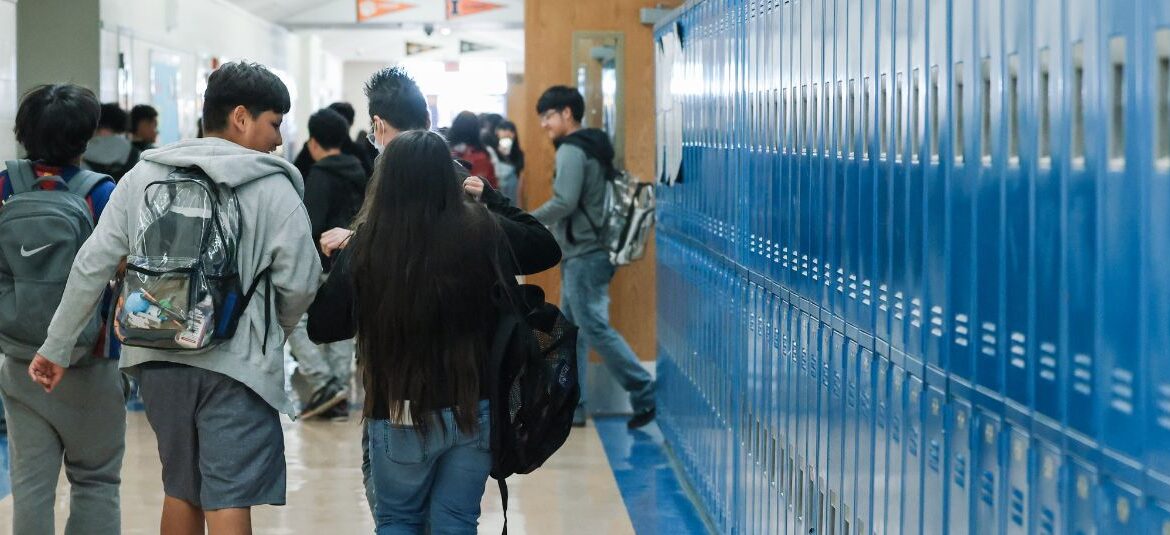
Three years ago, nearly half of the students at Dwight Middle School were chronically absent at 43%. The administration at the school found a plan to address this with United Way Successful Students Impact Partner ChildSafe.
Since 2023, ChildSafe’s Trauma Sensitive Schools program has partnered with Dwight Middle School to unite educators, administrators, mental health professionals and trauma specialists to better support students who are dealing with challenges out of the classroom that disrupt learning inside the classroom.
With United Way’s investment in this program, Dwight Middle School staff have learned how to recognize the signs of trauma in their students. With this training, they have learned how to respond with empathy and how to create a safe environment where their students feel safe enough to learn.
For Randi, a licensed clinical social worker at Dwight Middle School, implementing this program at the school has been deeply personal.
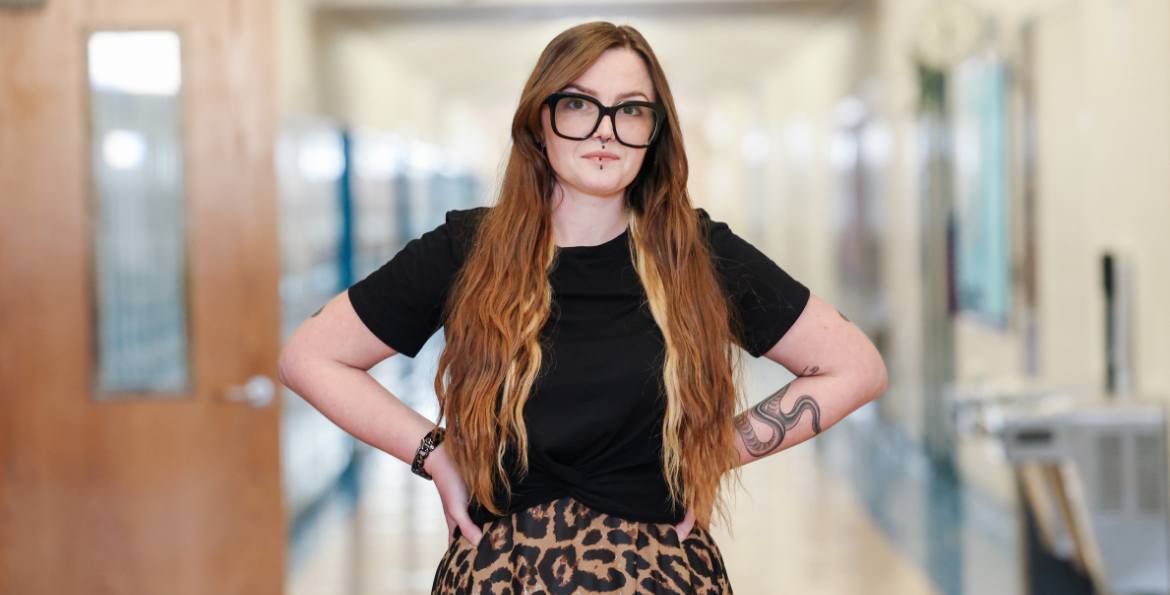
“What brought me to social work was my own personal experiences and the professionals that were there to help me along the way,” Randi said. “I want to return the favor and do the same thing for other people.”
For the students at Dwight Middle School, Randi provides one-on-one counseling, crisis intervention, family resource connections and mental health advocacy programming. She works closely with ChildSafe’s team on their Trauma Sensitive Schools program to help all staff understand and react to the realities that students face outside of school today.
Some of the barriers to success that can quickly threaten a student’s ability to attend and pay attention during classes include homelessness, food insecurity, abuse, neglect and mental health challenges. With these roadblocks in their way, attending school can feel impossible. As students continue to deal with these challenges, they naturally turn their attention into survival and are unable to focus on school.
“When students become chronically absent, it usually starts with just one issue,” Randi said. “Then it becomes more and more complex over time and much harder to reverse,” she added.
With their Trauma Sensitive Program, ChildSafe’s team gives staff the tools they need to help their students regulate their emotions and stay engaged in their learning.
“Being trauma-informed means understanding the impact of trauma,” Karina said, a Trauma Prevention Specialist for ChildSafe. “We want educators to shift their mindset from ‘What is wrong with this student?’ to ‘What happened to this student?’”
Along with the training, ChildSafe and Dwight Middle School have added posters throughout the campus and classrooms that students can read from anywhere on how to ground themselves if they are experiencing anxiety, stress or thoughts that disrupt their ability to pay attention.
The grounding techniques students are encouraged to use, called the “5-4-3-2-1 strategy” include identifying the following items around them:
- 5 things they can see
- 4 things they can feel
- 3 things they can hear
- 2 things they can smell
- 1 thing they can taste
Students can perform this simple exercise anywhere, at their desks, in hallways or wherever they feel most comfortable in order to manage stress and remain engaged in learning. It gives them a way to calm emotions which may seem overwhelming before they worsen and disconnect them from the classroom experience.
The trauma sensitive training is demonstrating dramatic results in just three years of Dwight Middle School staff using the program. The chronic absenteeism rate at the school has plummeted from 43% in the program’s first year to 22% in 2026. This a tremendous reduction in students at risk of disconnecting from school, cut down by almost half in just a few years.
Students are spending more time in their classrooms and building a stronger foundation to support their chances of graduating and their long-term success.
Educators are also encouraged through workshops and trauma sensitivity training to prioritize their own wellness while learning about practical strategies they could use in their classrooms to assist students.

“One of our biggest strengths is collaboration,” Karina said. “We brought together counselors, social workers, administrators, attendance staff, and community partners to really identify the barriers preventing students from coming to school every day.”
United Way invests in Successful Students Impact Partners whose resources help increase reading and math proficiency in students, improve school attendance, and support opportunity youth to re-engage with their education or find meaningful employment.
Our Successful Students Impact work ensures all young people are actively engaged in learning and prepared for the 21st century workforce by providing resource-rich environments with engaged adults who can support them.
For the school staff, having an outside agency like a United Way Successful Students Impact Partner there to support them makes an immeasurable difference.
“It’s hard for staff to meet all the needs of students,” Randi said. “When we have an outside agency come in and assist with these things, it helps educate teachers and supports students in ways schools often can’t do alone,” she said.
United Way donors are making a generational difference with their support, helping to keep students engaged in schools despite whatever challenges threaten their stability outside of school.
“These donations are changing the lives of students every single day,” Karina said. “This investment directly impacts the experience a child is going to have when they go through abuse or neglect.”
Dwight Middle School is a shining example of the difference that can be made when we unite together to support students. Their chronic absenteeism rate changing from 43% to 22% in just three years is quantifiable proof of the results that United Way, its partners and the community can have when everyone joins forces for the greater good.